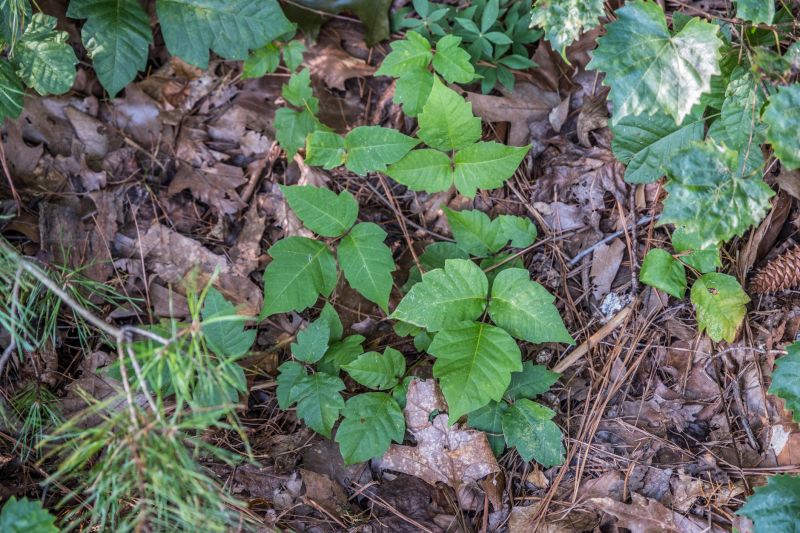
Poison Oak Removal in Honolulu, HI
Poison oak removal services help property owners safely eliminate this native plant from yards, gardens, and outdoor spaces. These services typically cover projects such as clearing poison oak from overgrown areas, trimming or pruning plants, and removing large infestations that pose a risk of skin irritation or allergic reactions. Homeowners often seek this service to maintain safe outdoor environments for family activities, gardening, or landscaping projects, ensuring that poison oak does not spread or cause accidental contact.
Before requesting poison oak removal, property owners should understand the extent of the infestation, including the size of the affected area and the density of the plants. It is also helpful to know if there are any nearby structures, trees, or other landscaping features that may influence the removal process. Proper identification of poison oak is essential, as it can sometimes be mistaken for other native plants. Clarifying these details can assist in planning an effective removal approach and ensuring the safety of everyone on the property.
Many property owners in Honolulu, HI look into Poison Oak Removal for repairs, replacements, upgrades, and appearance-related improvements.
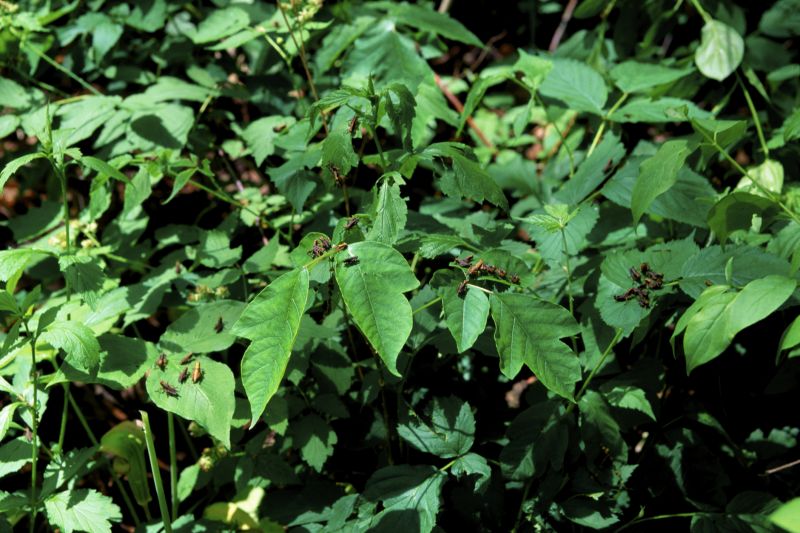
Identifying Poison Oak
Recognizing the signs of poison oak to prevent skin irritation and exposure.
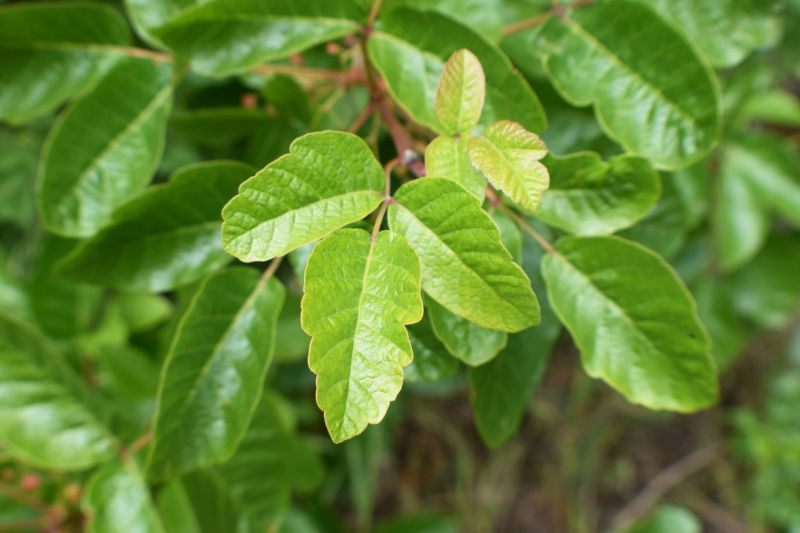
Safe Removal Methods
Using proper techniques to eliminate poison oak without damaging surrounding plants.
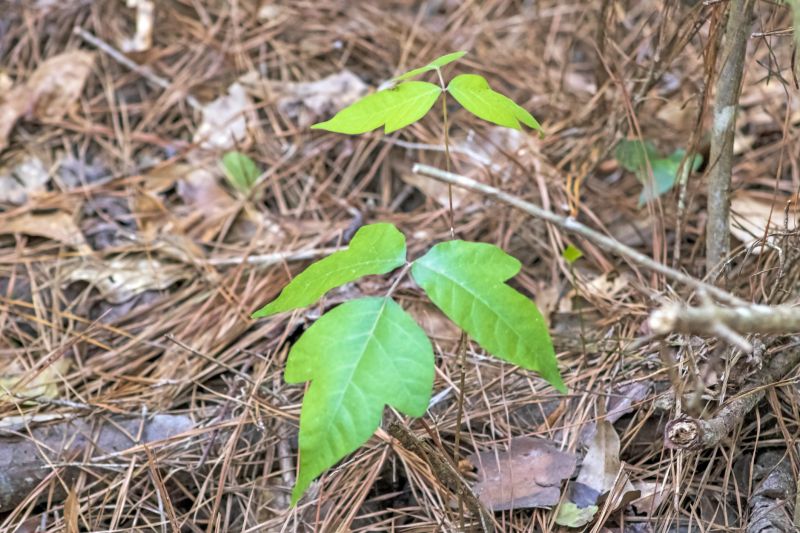
Property Maintenance
Keeping yards and outdoor spaces clear of poison oak to ensure safety and enjoyment.
Poison Oak Removal in Honolulu, HI

Poison oak removal services help property owners safely eliminate this native plant from yards, gardens, and outdoor spaces. These services typically cover projects such as clearing poison oak from overgrown areas, trimming or pruning plants, and removing large infestations that pose a risk of skin irritation or allergic reactions. Homeowners often seek this service to maintain safe outdoor environments for family activities, gardening, or landscaping projects, ensuring that poison oak does not spread or cause accidental contact.
Before requesting poison oak removal, property owners should understand the extent of the infestation, including the size of the affected area and the density of the plants. It is also helpful to know if there are any nearby structures, trees, or other landscaping features that may influence the removal process. Proper identification of poison oak is essential, as it can sometimes be mistaken for other native plants. Clarifying these details can assist in planning an effective removal approach and ensuring the safety of everyone on the property.
Many property owners in Honolulu, HI look into Poison Oak Removal for repairs, replacements, upgrades, and appearance-related improvements.
Common Poison Oak Removal Jobs
Poison Oak Removal - clearing overgrown areas to reduce exposure risks.
Yard Clearing - removing poison oak from lawns, gardens, and pathways.
Property Maintenance - managing plant growth to prevent future poison oak encroachment.
Landscape Clearing - safely removing poison oak from trees, shrubs, and natural areas.
Site Cleanup - disposing of removed plants to ensure a safe environment.
Vegetation Control - implementing strategies to prevent poison oak from regrowing.
Poison Oak Removal Questions
What is poison oak removal? Poison oak removal involves safely eliminating the plant to prevent skin irritation and protect property.
When should poison oak be removed? Removal is recommended when poison oak is growing in areas accessible to people or pets, or when it poses a risk to property or outdoor activities.
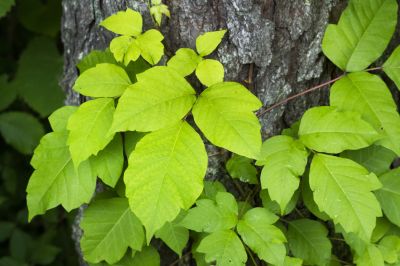
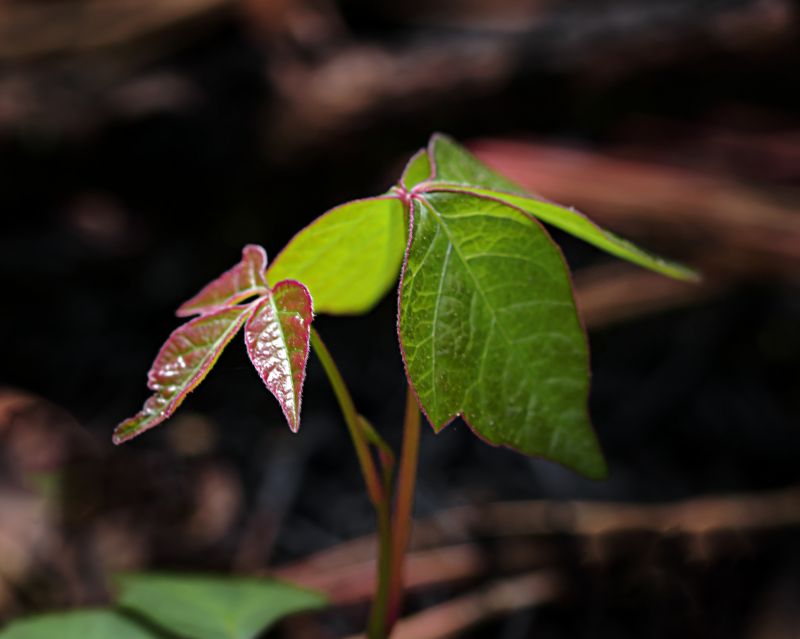
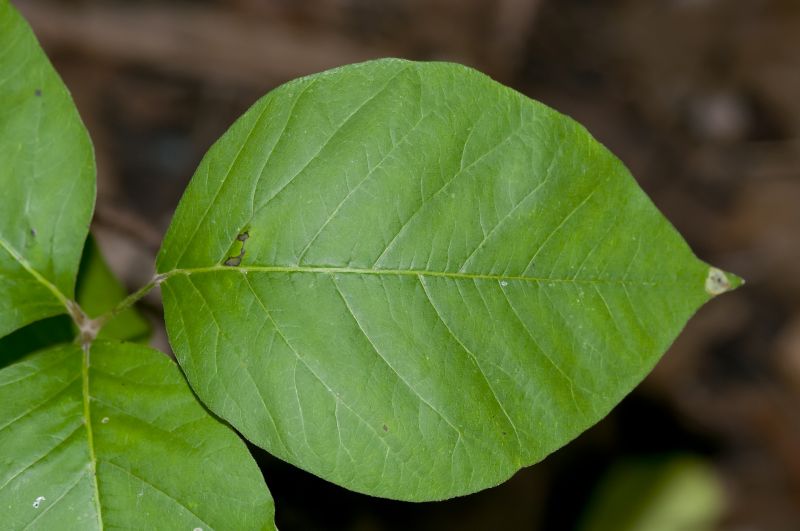
How can poison oak be identified? Poison oak typically has clusters of three leaflets with a shiny, lobed appearance and may develop reddish stems or leaves in certain seasons.
Is professional removal necessary? Yes, professional removal ensures safe and effective elimination, reducing the risk of skin contact and plant regrowth.
Request Poison Oak Removal in Honolulu, HI
Use the quote form on this page to share the basics of your project and request more information for the type of work you need.